Do Buc-ee’s Allow Semis Truck Ban Rules?
If you drive a semi-truck or an 18-wheeler, you may wonder, do Buc-ee’s allow semis? Buc-ee’s is a popular travel center known for its clean restrooms, large stores, fresh food, fuel pumps, and wide range of snacks. However, its rules for commercial vehicles are different from those at regular truck stops.
Buc-ee’s generally does not allow semi-trucks and 18-wheelers on its property. The company designs its travel centers mainly for passenger cars, SUVs, and other personal vehicles. In February 2026, reports also described stricter restrictions on commercial vehicles pulling trailers. However, Buc-ee’s has not publicly confirmed every detail of the reported nationwide expansion. This guide explains the Buc-ee’s truck ban, the reasons behind the rules, the reported 2026 changes, and the options available to truck drivers who need fuel, food, or a safe place to stop.
Buc-ee’s Truck & Trailer Ban Checker
Before visiting a Buc-ee’s location, you should check whether your vehicle is allowed on the property. The rules are especially important if you drive a semi-truck, a commercial work truck, or a pickup truck pulling a trailer.
Semi-trucks and 18-wheelers are generally prohibited at Buc-ee’s. Reports from February 2026 also described restrictions on commercial trailers, including some dump trucks, work trucks, and pickups pulling equipment trailers. The reported change followed an incident at the Buc-ee’s location in Bastrop, Texas.
Regular passenger cars and SUVs are generally suitable for visiting Buc-ee’s. Personal pickup trucks without commercial trailers are also different from the commercial vehicles mentioned in the reports. However, drivers should not assume that every RV, trailer, or work vehicle is permitted.
The best way to avoid problems is to check the signs at the entrance. If you are unsure whether your vehicle is allowed, ask the location before entering. Do not assume that diesel fuel availability means a semi-truck can use the property.
What Actually Happened in February 2026
In early February 2026, a man named Darren Nichols shared an account of his experience at the Buc-ee’s location in Bastrop, Texas. According to reports, he stopped to get fuel and breakfast while driving a work truck. He later said that an employee approached him and told him that he could not remain on the property.
Nichols reported that the signs included a restriction on commercial trailers, alongside the familiar prohibition on semi-trucks. The additional signs reportedly showed vehicles such as dump trucks and pickups pulling trailers.
He said he spoke with a manager, who explained that the policy was being introduced at locations nationwide. His account attracted attention from trucking websites, news outlets, and online communities because some drivers had understood the original restriction to apply mainly to large tractor-trailers.
The incident raised an important question: Was Buc-ee’s extending its truck ban to other commercial vehicles? Reports described the policy as a wider restriction on commercial trailers, but the company did not publicly confirm every detail of the reported nationwide change.
Buc-ee’s legal counsel, Jeff Nadalo, had previously explained that the company’s parking lots and driveways were designed for passenger vehicles rather than commercial trucks. This statement helps explain the long-standing restriction.
The February reports brought renewed attention to that position. Drivers using work trucks or equipment trailers should check local signs before entering because the exact application of the reported expansion has not been fully confirmed through a detailed public company announcement.
The Contradiction in the Coverage
Information about Buc-ee’s and commercial trucks can be confusing because some websites describe the company as if it were developing traditional truck stops. These claims should be checked carefully before being treated as facts. Buc-ee’s is known for large travel centers designed mainly for passenger vehicles. Its locations offer fuel, food, drinks, snacks, restrooms, and merchandise. However, these services do not automatically make a location a truck stop.
Traditional truck stops are designed to support professional drivers and large commercial vehicles. They may offer truck parking, pull-through diesel lanes, showers, laundry facilities, and other services that long-haul drivers need.
Buc-ee’s has generally followed a different business model. Although diesel fuel is available at many locations, diesel pumps do not mean that semi-trucks are permitted to enter. Fuel equipment designed for ordinary vehicles is not the same as dedicated commercial truck fueling lanes.
Drivers should also be careful with claims about truck-stop openings, showers, or special facilities for big rigs. As of October 2026, the information available in the competitor article does not establish that Buc-ee’s has opened a traditional truck-stop format.
For more background, read MySA’s coverage of Buc-ee’s parking rules.
Why the Truck Ban Is Not an Accident — It Is the Strategy
To understand why Buc-ee’s restricts semi-trucks, it helps to compare its locations with traditional truck stops. Businesses such as Love’s, Pilot Flying J, and TA Travel Centers serve professional drivers as a major part of their business. These truck stops often provide large parking areas, special fueling lanes, and facilities for drivers who need to rest during long journeys. Their layouts are planned around the size and movement of commercial vehicles.
Buc-ee’s focuses on a different type of customer. Its stores are built for families, vacationers, road-trippers, and other people traveling in passenger vehicles. Customers can stop for fuel, buy a meal, shop for snacks, and purchase clothing or souvenirs.
This difference affects the design of the property. A semi-truck pulling a long trailer needs much more space to turn and move than a passenger car. A parking lot designed mainly for cars may not provide enough room for a large commercial vehicle.
The restriction also helps Buc-ee’s maintain its intended traffic flow. When many vehicles visit a busy location, the company needs enough room for customers to park, use the pumps, and move safely around the store.
Buc-ee’s is not simply a regular gas station with a large building. It is a retail-focused travel center designed around passenger vehicles. Keeping commercial trucks out is consistent with that approach.
The Economics: Why Trucks Are Worth Less Than You Think
It may seem that allowing semi-trucks would automatically increase Buc-ee’s revenue because large trucks can purchase more fuel than passenger cars. However, fuel sales are only one part of a travel center’s business. Buc-ee’s also sells prepared food, packaged snacks, drinks, clothing, gifts, and other products. Popular items include brisket sandwiches, Beaver Nuggets, beef jerky, fudge, and branded T-shirts.
Many visitors spend time inside the store after fueling their vehicles. They may buy breakfast, pick up snacks for the road, or shop for souvenirs. These purchases are an important part of the Buc-ee’s experience.
Large commercial vehicles also require suitable space and traffic arrangements. A truck that cannot safely move through the property may create problems for other customers, even if it purchases a large amount of diesel.
It would be misleading to say that every truck visit is less profitable than every passenger-car visit. The financial result depends on fuel prices, operating costs, and what customers purchase. Reliable, comparable figures for individual Buc-ee’s locations are not publicly established well enough to prove that a truck ban alone creates higher profits. The main point is that Buc-ee’s has chosen a passenger-vehicle retail model instead of operating like a traditional truck stop.
Fuel Margin vs. Dwell Time
Fuel margin is the difference between the selling price of fuel and the cost of supplying it, before other expenses. A semi-truck may purchase far more diesel in one visit than an ordinary car, but the larger sale does not automatically mean a much higher profit. Passenger vehicles generally use less fuel per visit, but their drivers may also purchase food, drinks, snacks, and merchandise. These additional sales can make a difference to the business.
The time a vehicle spends using a fueling position also matters. Large trucks need more room to maneuver and may take longer to enter or leave a fueling area that was not designed for them. Buc-ee’s stores encourage customers to shop after they park. Visitors may stop for coffee, buy a sandwich, choose a bag of snacks, or browse the merchandise section.
The company’s business model includes what customers buy inside the store, not just the fuel they purchase outside. However, without verified financial records, exact comparisons of profit per vehicle should be treated as estimates rather than established facts.
Parking Turnover
Parking turnover means how often a parking space becomes available for another vehicle. This is important at a busy travel center because many customers may arrive throughout the day. Passenger vehicles generally fit more easily into standard parking spaces. They can also move through the lot without needing the wide turning areas required by a tractor-trailer.
A semi-truck may need a large amount of space to park and turn safely. If the property does not have suitable truck parking, allowing the vehicle inside could block other spaces or make traffic movement more difficult.
Buc-ee’s is designed for passenger-vehicle visits rather than long periods of commercial truck parking. Drivers who need to rest for several hours should use a suitable truck stop or another permitted location. Buc-ee’s should not be treated as an overnight truck parking facility. Professional drivers should plan their stops in advance, especially when they need to meet required rest periods.
The Lot Design
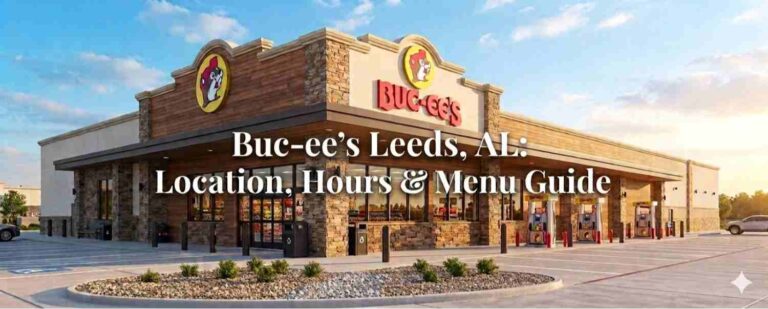
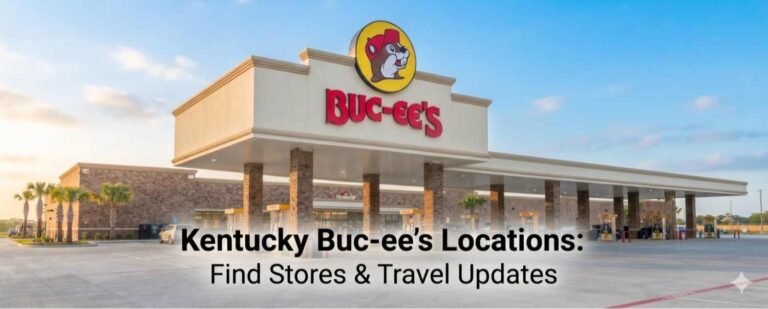
The design of Buc-ee’s parking lots and fueling areas is one of the main reasons semi-trucks are restricted. A tractor-trailer is longer and wider than a regular car and needs more space to turn, reverse, and move around other vehicles.
Fueling areas designed for passenger vehicles may not provide enough room for a large truck and its trailer. The layout of the driveways, parking spaces, and fuel pumps can also make it difficult for commercial vehicles to move safely.
This can create problems for pedestrians and other drivers, particularly during busy travel periods. A truck that becomes stuck or needs extra room to turn could slow down traffic around the store.
Buc-ee’s legal counsel has previously explained that its parking lots and driveways are designed for passenger vehicles. This is a direct explanation of why the company restricts commercial trucks.
The ban is connected to the physical layout of the property as well as the company’s business strategy. Even if a truck has enough fuel to continue its journey, that does not mean the Buc-ee’s lot is suitable for it.
The February 2026 Extension: What Changed and Why
The long-standing Buc-ee’s truck ban mainly became known for restricting semi-trucks and 18-wheelers. In February 2026, reports described a wider restriction involving commercial vehicles pulling trailers. The reported change included some work trucks, dump trucks, and pickups pulling equipment trailers. This raised questions among people who use commercial vehicles for construction, landscaping, and other jobs.
A work truck may be much smaller than an 18-wheeler, but a trailer can still make it difficult to turn or park in a crowded lot. Equipment trailers can also take up more room than a standard passenger vehicle. These are possible reasons for a wider restriction. However, the company did not publicly confirm every detail of the reported nationwide policy expansion, so it is important not to present every reported rule as officially verified.
The story also showed that enforcement may not always appear consistent. Nichols reportedly noticed other work vehicles at the Bastrop location while being asked to leave. Different experiences at a property do not necessarily mean the posted rule has changed. If you drive a commercial vehicle, check the entrance signs and ask the location if you need clarification. Do not rely only on another driver’s experience or assume that a rule is the same for every vehicle type.
The Business Case: Revenue That Doesn’t Need Trucks
Buc-ee’s has become popular because it offers more than fuel. Its large stores, food counters, clean restrooms, and wide selection of merchandise attract travelers who want to make a stop part of their road trip. Customers may visit for a brisket sandwich, Beaver Nuggets, beef jerky, coffee, or a souvenir. Families may also stop to use the restrooms and purchase snacks for the rest of their journey.
The company has continued to expand its passenger-vehicle travel center model into new states. Its locations are designed to serve highway travelers who arrive in cars and other permitted vehicles.
Some online investment articles estimate that individual Buc-ee’s locations generate tens of millions of dollars in annual revenue. However, these estimates are not the same as audited financial figures published by the company. They should not be presented as confirmed sales numbers.
The same care is needed when discussing opening-day sales or projected visitor numbers. A forecast is not proof of actual annual revenue, and a successful opening does not establish the profit earned by a location.
The main business difference is straightforward. A traditional truck stop focuses heavily on commercial drivers and their needs, while Buc-ee’s combines fuel with a large retail shopping experience. Buc-ee’s does not need to become a truck stop to attract road travelers. Its stores are built around a different customer experience, and its restrictions on commercial trucks fit that approach.
What About the Bus Bays? The St. Lucie Florida Detail
Some discussions about future Buc-ee’s locations have mentioned bus parking, including plans reported for a proposed location in St. Lucie County, Florida. This has led to questions about whether the company is changing its rules for commercial vehicles. A bus and a semi-truck have different uses. A tour bus may bring a large group of travelers who want to eat, use the restrooms, buy snacks, or shop for souvenirs before continuing their trip.
Dedicated bus bays can provide a suitable place for passengers to get on and off without moving through every passenger-car parking aisle. However, a bus bay does not provide the same facilities as a commercial truck fueling lane or a designated truck parking area.
The presence of planned bus parking therefore does not automatically mean semi-trucks will be allowed. Development plans can also change before a project is completed, so the latest official information should be checked before relying on specific details.
Bus parking and semi-truck access are two separate issues. A location may be planned to accommodate tour groups while continuing to restrict tractor-trailers and other commercial vehicles.
The Trucker Community’s Response
The Buc-ee’s truck ban has received mixed reactions from professional drivers. Some truckers are frustrated because they would like to stop for food, fuel, or a restroom break while traveling for work. Drivers using commercial pickups may also feel that a smaller work vehicle should be treated differently from a large tractor-trailer. For someone who only wants a quick meal, being turned away can be inconvenient.
Other drivers understand the restriction. They point out that Buc-ee’s parking lots are not designed for large trucks and that professional drivers have dedicated facilities available along many major highways.
Some truckers also prefer to keep truck stops available for commercial drivers who need suitable parking, fueling lanes, and rest facilities. Passenger vehicles and large trucks have different needs, and a facility designed for one group may not work well for the other.
These different opinions show why the subject continues to attract attention. However, a property’s access rules are separate from whether the people driving a particular vehicle are welcome as customers.
The truck ban concerns vehicle access, not a general ban on truck drivers as people. A professional driver arriving in an allowed passenger vehicle can still visit Buc-ee’s under the normal rules.
The Honest Summary: This Is Not a Pivot
Buc-ee’s has built its travel centers around passenger vehicles, large retail stores, prepared food, and highway travelers. Its established restrictions on semi-trucks are consistent with this approach.
In February 2026, reports described a wider ban affecting commercial vehicles pulling trailers. However, Buc-ee’s did not publicly confirm every detail of the reported nationwide expansion, so drivers should check the rules posted at their intended location.
There is no reason to assume that Buc-ee’s is becoming a traditional truck stop simply because it sells diesel or may include bus parking at a planned development. These features do not establish that a location has dedicated truck parking, commercial fueling lanes, or other services for long-haul drivers.
If you drive a semi-truck, plan to stop at a facility designed for commercial vehicles. If you drive a commercial pickup or another work vehicle, check whether the restrictions apply before entering. For ordinary road travelers, Buc-ee’s continues to offer fuel, food, snacks, restrooms, and merchandise in a large travel center.
History
Buc-ee’s was founded in 1982 in Lake Jackson, Texas, by Arch “Beaver” Aplin III and Don Wasek. The company grew by offering large stores, clean restrooms, fresh food, and fuel for everyday travelers. Over time, Buc-ee’s developed a travel center model focused mainly on passenger vehicles rather than commercial trucks.
Its parking lots and driveways were designed for cars and SUVs, which explains its long-standing restriction on semi-trucks and 18-wheelers. In February 2026, reports raised questions about wider restrictions on commercial vehicles pulling trailers, although the company did not publicly confirm every detail of the reported policy expansion.
Frequently Asked Questions
i. Does Buc-ee’s allow semi-trucks?
No, Buc-ee’s generally prohibits semi-trucks and 18-wheelers because its parking areas are designed mainly for passenger vehicles.
ii. Is Buc-ee’s opening truck stops?
Buc-ee’s focuses on passenger-vehicle travel centers, and no confirmed announcement establishes that it is opening traditional truck stops.
iii. Why does Buc-ee’s ban trucks?
Buc-ee’s restricts trucks because its parking lots and driveways are not designed for large commercial vehicles.
iv. Can I get diesel at Buc-ee’s?
Yes, many Buc-ee’s locations sell diesel, but semi-trucks are generally not allowed on the property.
v. What was the February 2026 Buc-ee’s truck policy change?
Reports described wider restrictions on commercial vehicles pulling trailers, but the company did not confirm every detail publicly.
vi. How much revenue does Buc-ee’s make per location?
Exact store revenue figures are not publicly confirmed. Buc-ee’s earns money from fuel, food, snacks, drinks, and merchandise.
vii. What is the difference between a Buc-ee’s and a truck stop?
Buc-ee’s focuses on shopping and passenger vehicles, while traditional truck stops provide facilities for commercial drivers.
viii. Does Buc-ee’s have bus bays?
Bus parking has been reported in some development plans, but bus bays do not mean semi-trucks are permitted.
ix. Can pickup trucks visit Buc-ee’s?
Regular personal pickup trucks are generally allowed, but commercial pickups pulling trailers may face restrictions.
x. Can truck drivers use Buc-ee’s restrooms?
Truck drivers should not assume they can enter in a semi-truck. They should use a suitable stop that permits their vehicle.
xi. Does Buc-ee’s allow overnight truck parking?
No, Buc-ee’s is not a designated overnight parking facility for semi-trucks.
xii. Are RVs allowed at Buc-ee’s?
RV access depends on the vehicle and local rules. Check the entrance signs before visiting.
xiii. Where can semi-truck drivers stop instead of Buc-ee’s?
Truck drivers can use suitable locations operated by Love’s, Pilot Flying J, and TA Travel Centers, depending on available facilities and parking.
Final Thoughts
Understanding the Buc-ee’s semi-truck ban can help you plan your journey and avoid an unnecessary stop. The company focuses on passenger vehicles, large retail stores, prepared food, and convenient highway travel rather than traditional commercial trucking services.
Reports from 2026 raised questions about wider restrictions on commercial trailers, but drivers should rely on posted rules and verified information for their specific location. If you drive an 18-wheeler, plan your fuel and rest stops at facilities designed for large trucks. If you travel in a regular passenger vehicle, Buc-ee’s can be a convenient place to buy fuel, eat, use the restroom, and shop.
Reviews
- Steve S. (BBB, March 2026): “I lost our respect for this company” after being told to leave his semi-tractor in Luling.
- Truck driver (Reddit, January 2026): Shared a photo of his truck outside Buc-ee’s and discussed the restrictions on truck parking.
- Truck driver (Reddit, July 2026): Said he liked Buc-ee’s but understood why the company did not allow truck parking.
- TruckersReport member (February 2026): Supported the restriction, saying the property was not built to accommodate large trucks.
- Truck driver (Reddit, January 2025): Supported the ban because of concerns about litter and misuse of parking areas.